
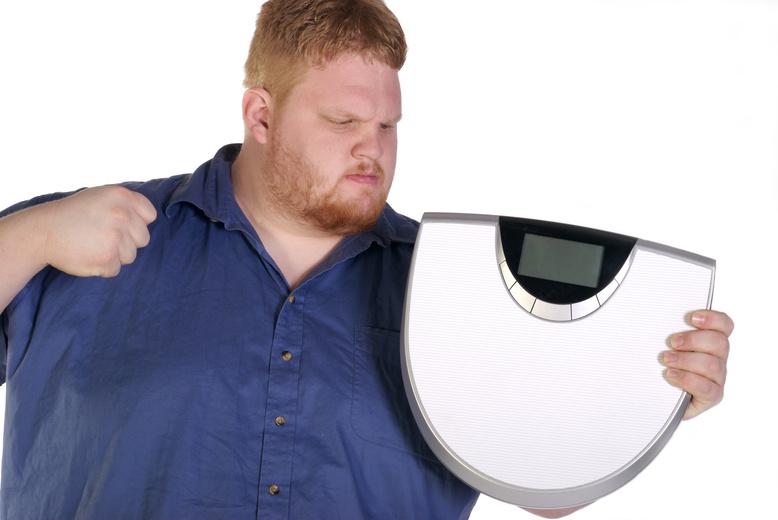
Gastric Sleeve Surgery in Accredited Hospital Settings
Coordinated, precision-focused gastric sleeve surgery for international patients.
Start Online ConsultationGastric sleeve surgery is one of the most commonly performed weight loss surgery procedures worldwide. Medically known as sleeve gastrectomy, the procedure reduces the size of the stomach in order to support significant and long-term weight loss. Because the stomach capacity becomes smaller, patients typically feel full with much smaller portions of food. For this reason, gastric sleeve surgery is often referred to as stomach reduction surgery.
Beyond weight reduction, the procedure may also contribute to improvements in several obesity-related health conditions such as type 2 diabetes, sleep apnea and high blood pressure. At Nova, gastric sleeve procedures are performed in accredited hospital environments and coordinated through a structured medical evaluation process designed to ensure patient safety and long-term treatment success.
Who Is a Candidate for Gastric Sleeve Surgery?
Gastric sleeve surgery is typically recommended for individuals who struggle with severe obesity and have been unable to achieve sustainable weight loss through conventional methods such as diet and exercise. Candidates for sleeve gastrectomy often meet one or more of the following criteria:
- A Body Mass Index (BMI) of 40 or higher
- A BMI above 35 accompanied by obesity-related health conditions
- Long-term difficulty maintaining weight loss through non-surgical methods
- Medical conditions linked to excess weight such as type 2 diabetes, sleep apnea or hypertension
A comprehensive medical evaluation is required before surgery in order to determine whether gastric sleeve surgery is an appropriate and safe treatment option. Each patient's situation is assessed individually, taking into account overall health status, medical history and treatment expectations.
How the Surgery Works
Gastric sleeve surgery, medically known as sleeve gastrectomy, involves reducing the size of the stomach by surgically removing a large portion of it. During the procedure, approximately 70–80% of the stomach is removed, leaving a narrow, tube-shaped stomach that resembles a sleeve. This reduction in stomach size limits the amount of food that can be consumed at one time. As a result, patients typically feel full much earlier during meals.
In addition to reducing stomach volume, the surgery also affects hormones that regulate hunger. The part of the stomach responsible for producing ghrelin, a hormone associated with appetite, is largely removed during the procedure. Because of these physiological changes, many patients experience a noticeable reduction in hunger following gastric sleeve surgery.
The procedure is typically performed laparoscopically, using minimally invasive surgical techniques that involve small incisions and specialised instruments. This approach generally allows for faster recovery and reduced postoperative discomfort compared to traditional open surgery.
How Much Weight Can I Lose After Gastric Sleeve?
Weight loss after gastric sleeve surgery varies from patient to patient, but most individuals experience significant and sustained weight reduction within the first year following the procedure. On average, patients may lose 60–70% of their excess body weight within 12 to 18 months after surgery. The most rapid weight loss typically occurs during the first six months, when reduced stomach capacity and hormonal changes help regulate appetite and calorie intake.
However, long-term success depends on several important factors, including:
- Adherence to recommended dietary guidelines
- Gradual lifestyle changes
- Regular physical activity
- Ongoing medical follow-up
Gastric sleeve surgery is designed to support patients in achieving long-term weight control, but it should always be considered part of a broader health and lifestyle transformation.
Can the Stomach Stretch Again After Gastric Sleeve Surgery?
One of the most common concerns among patients considering stomach reduction surgery is whether the stomach can expand again over time. After gastric sleeve surgery, the stomach cannot return to its original size because a significant portion of it has been permanently removed. However, like any biological tissue, the remaining stomach may adapt slightly if consistently exposed to large meal portions over long periods.
For this reason, long-term success after sleeve gastrectomy depends on maintaining healthy eating habits and following recommended dietary guidelines. Patients who adopt balanced nutrition and mindful portion control typically maintain stable results for many years after surgery.
Health Improvements After Gastric Sleeve Surgery
Significant weight loss following gastric sleeve surgery may lead to improvements in several obesity-related health conditions. Excess body weight can affect many physiological systems in the body, and reducing weight often helps alleviate some of these health risks. Many patients experience improvements in conditions such as:
- Type 2 diabetes
- High blood pressure (hypertension)
- Sleep apnea
- Joint pain and mobility limitations
- Metabolic syndrome
In some cases, patients may also notice improvements in energy levels, mobility and overall quality of life as their weight decreases. However, individual outcomes vary depending on each patient's health status and lifestyle habits.
Recovery Timeline After Gastric Sleeve Surgery
Recovery after gastric sleeve surgery generally occurs in several stages, and most patients are able to return to normal daily activities within a relatively short period. Immediately after surgery, patients usually remain in the hospital for one to two days for medical observation.
During the first weeks following the procedure, the digestive system gradually adapts to the reduced stomach size. Patients typically follow a structured nutritional progression that may include:
- Liquid nutrition in the early postoperative phase
- Soft foods during the initial healing period
- Gradual transition to regular textured foods
Most patients are able to resume light daily activities within one to two weeks, while full recovery and adaptation to new eating patterns may take several weeks. Regular medical follow-up and nutritional guidance play an important role in supporting long-term success after bariatric surgery.
Post-Operative Recovery Period
The recovery period following gastric sleeve surgery occurs gradually as the body adapts to the reduced stomach size and new eating patterns. During the first few days after surgery, patients typically focus on rest, hydration and medical observation. Mild fatigue and abdominal discomfort are common during the early postoperative phase but usually improve within several days.
Most patients are able to resume light daily activities within one to two weeks. Patients are generally advised to:
- Follow the recommended nutritional progression
- Avoid heavy lifting for several weeks
- Stay well hydrated
- Attend scheduled medical follow-up appointments
Full adaptation to new dietary habits and digestive changes may take several weeks, but most patients gradually regain energy and return to their normal routines during this period. Careful postoperative guidance helps ensure both safe recovery and long-term success after gastric sleeve surgery.
International Patient Process
FAQ Section
Will I need vitamin supplements after surgery?
Because gastric sleeve surgery significantly reduces food intake, many patients are advised to take vitamin and mineral supplements following the procedure. These supplements help prevent nutritional deficiencies and support overall health during the weight loss process. Patients typically follow nutritional guidance provided by their medical team.
Can gastric sleeve surgery improve obesity-related health conditions?
Many patients experience improvement in obesity-related health conditions following significant weight loss. These may include improvements in type 2 diabetes, high blood pressure, sleep apnea and joint pain and mobility limitations. However, individual results may vary depending on each patient's health condition and lifestyle.
How long do gastric sleeve results last?
Weight loss results after gastric sleeve surgery can be long-lasting when supported by sustainable lifestyle changes. Most patients maintain significant weight reduction for many years when they follow recommended dietary guidelines and maintain an active lifestyle. Gastric sleeve surgery is designed to support long-term weight control rather than short-term weight loss.
How will my eating habits change after gastric sleeve surgery?
After gastric sleeve surgery, eating habits change gradually as the stomach adapts to its new size. In the early weeks following surgery, patients usually follow a structured nutritional plan that begins with liquid foods and gradually progresses to soft and then solid foods. Because the stomach capacity becomes smaller, patients typically feel full after eating much smaller portions. Over time, most patients adopt new eating habits that focus on balanced nutrition, slower eating and mindful portion control. These adjustments help support healthy weight loss and long-term results after surgery.
How much weight can I lose and how quickly?
Weight loss after gastric sleeve surgery occurs progressively and varies depending on individual factors such as metabolism, starting weight and lifestyle changes. Most patients experience their most significant weight loss during the first six months after surgery. On average, patients may lose 60–70% of their excess body weight within 12 to 18 months following the procedure. Adopting recommended dietary guidelines and maintaining regular physical activity play an important role in achieving and maintaining these results.
Is gastric sleeve surgery a permanent procedure?
Gastric sleeve surgery is considered a permanent procedure because a large portion of the stomach is surgically removed during the operation. The removed part of the stomach cannot be restored. However, long-term weight management still depends on maintaining healthy eating habits and an active lifestyle.
Is gastric sleeve surgery safe?
Gastric sleeve surgery is one of the most commonly performed bariatric procedures worldwide and is generally considered safe when performed by experienced surgical teams in accredited medical facilities. As with any surgical procedure, potential risks exist, which is why a detailed medical evaluation is always required before surgery.
What are the possible complications of gastric sleeve surgery?
Gastric sleeve surgery is generally considered a safe and widely performed bariatric procedure when carried out by experienced surgical teams. However, like all surgical procedures, it may involve certain risks. Potential complications may include bleeding, infection, leakage from the staple line, nutritional deficiencies and blood clots. These risks are carefully evaluated during the preoperative medical assessment, and appropriate monitoring is provided during recovery. Most patients recover without serious complications when proper medical guidelines are followed.
Can I experience psychological challenges after surgery?
Weight loss surgery leads to significant physical and lifestyle changes, and some patients may experience emotional or psychological adjustments during this process. Changes in eating habits, body image and daily routines may require time to adapt. For this reason, many bariatric programs encourage patients to receive nutritional guidance and, when necessary, psychological support during the postoperative period. With proper support and gradual lifestyle adjustments, most patients adapt successfully to their new routines and report improvements in overall well-being and quality of life.
How long does gastric sleeve surgery take?
Gastric sleeve surgery usually takes approximately 1 to 2 hours, depending on the patient's medical condition and the complexity of the procedure. The operation is typically performed using laparoscopic (minimally invasive) techniques, which involve several small incisions and specialised surgical instruments. This minimally invasive approach helps reduce surgical trauma and generally allows for a faster recovery compared to traditional open surgery. After the procedure, patients are usually monitored in the hospital for one to two days before being discharged.