
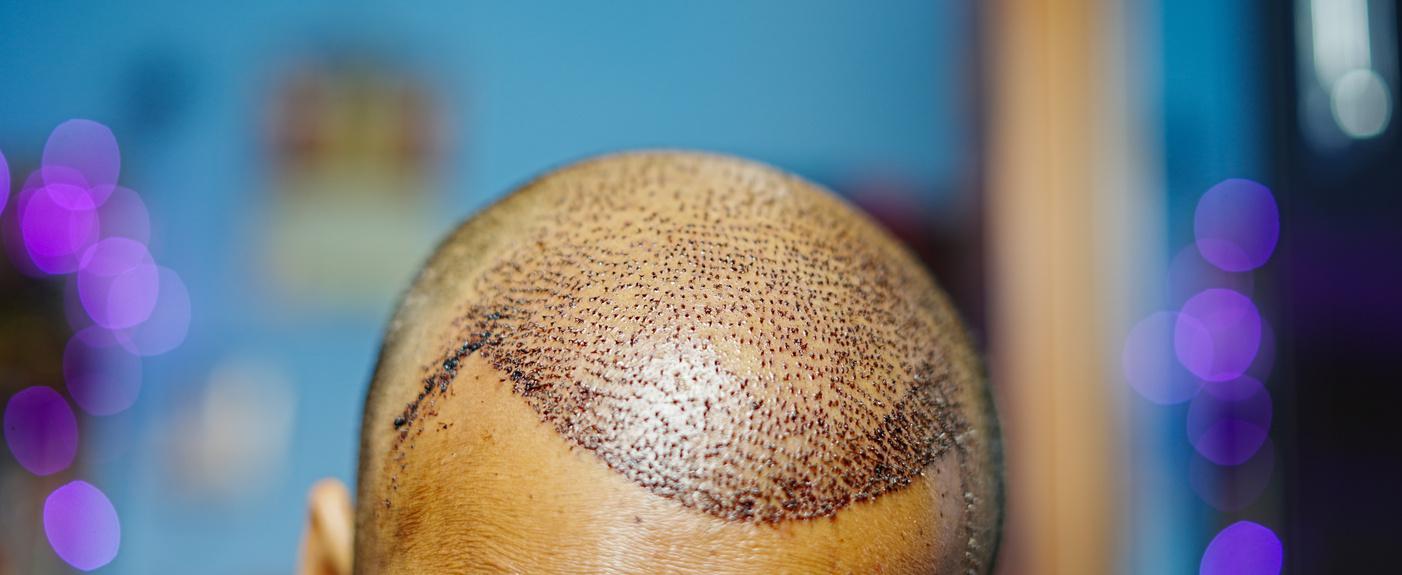
Hair Transplant Procedures in Accredited Hospital Settings
Precision-planned hair transplant procedures designed to restore natural hair growth for international patients.
Start Online ConsultationModern Hair Transplant Techniques
Hair transplantation techniques have evolved significantly over the past decades. Modern procedures focus on precise follicle extraction and implantation methods that support natural hair growth while minimizing visible scarring.
Today, hair transplant procedures are performed using advanced micro-surgical techniques that allow surgeons to extract and implant individual follicular units with high precision. These techniques aim to recreate a natural hairline, balanced density and natural hair growth direction.
At Nova, the choice of technique is determined through detailed medical evaluation, taking into account the patient's hair loss pattern, donor area capacity and long-term aesthetic goals. The objective is not simply to transplant hair follicles, but to design a result that appears natural, stable and proportionate over time.
Main Hair Transplant Techniques
Modern hair transplant surgery includes several advanced techniques designed to extract and implant individual hair follicles with high precision. While the fundamental goal of all methods is to restore natural hair growth, each technique differs in the way follicles are extracted, prepared and implanted into the scalp.
At Nova, the most appropriate technique is selected based on the patient's hair structure, the condition of the donor area and the desired aesthetic outcome. The most commonly used hair transplant techniques include:
FUE Hair Transplant
Follicular Unit Extraction (FUE) is one of the most widely used hair transplant techniques worldwide. In this method, individual follicular units are carefully extracted from the donor area — typically the back or sides of the scalp — using specialized micro-surgical instruments.
Once extracted, the follicles are implanted into areas affected by hair loss according to a carefully designed hairline and natural growth direction. Because each follicle is transplanted individually, the surgeon can control the angle, depth and distribution of the grafts to achieve natural-looking results.
One of the main advantages of the FUE technique is that it does not require a large surgical incision. Instead, micro-extraction tools are used to remove follicular units, which typically results in minimal scarring and a relatively comfortable recovery process.
FUE is suitable for many patients experiencing pattern hair loss and is widely preferred due to its ability to produce natural hairlines, balanced density and long-term hair growth.
DHI Hair Transplant
Direct Hair Implantation (DHI) is an advanced hair transplant technique that allows surgeons to implant hair follicles directly into the scalp using specialized implantation instruments.
In this method, extracted follicular units are placed into a medical implantation device that enables the surgeon to control the angle, direction and depth of each implanted follicle. This precise control helps recreate a natural hair growth pattern that matches the patient's existing hair.
Unlike some traditional implantation methods where channels are created before the follicles are inserted, DHI allows implantation to be performed in a single step. This approach may support more controlled placement of grafts and can be particularly useful when designing detailed hairline structures.
DHI is often preferred in cases where high precision hairline design and controlled follicle placement are important for achieving natural-looking results.
Sapphire FUE Hair Transplant
Sapphire FUE is an advanced variation of the FUE hair transplant technique. In this method, special sapphire blades are used to create micro-channels in the scalp before the hair follicles are implanted.
Compared to traditional steel blades, sapphire blades allow surgeons to create finer and more precise channels in the recipient area. These micro-channels help guide the implanted follicles according to the natural direction of hair growth.
Because the channels can be created with greater precision, Sapphire FUE may support denser graft placement while minimizing unnecessary tissue trauma during the procedure. This can contribute to a smoother healing process and natural hair growth patterns after transplantation.
As with all hair transplant procedures, the choice of technique depends on the patient's hair structure, donor capacity and the aesthetic goals of the treatment. A detailed medical evaluation helps determine which method is most appropriate for achieving natural and balanced results.
Recovery After Hair Transplant
Hair transplant procedures are typically performed as minimally invasive medical treatments, and most patients can return to their daily routines within a relatively short period of time.
In the first few days after the procedure, mild redness and small scabs may appear in both the donor and recipient areas. These are normal parts of the healing process and usually resolve within the first week as the scalp begins to recover.
During the initial recovery period, patients are advised to avoid intense physical activity, direct sun exposure and any pressure on the transplanted area. Detailed aftercare instructions are provided to support proper healing and protect the newly implanted follicles.
Within a few weeks, the transplanted hairs may temporarily shed before new hair growth begins. This phase is a normal part of the hair growth cycle. Over the following months, the transplanted follicles gradually produce new hair, and visible improvement typically becomes noticeable as the hair continues to grow naturally.
Medical Safety & Regulations in Turkey
Medical procedures in Turkey are regulated by strict healthcare laws and national medical authorities. Surgical treatments must be performed in licensed medical facilities and under the supervision of qualified physicians.
For example, according to current regulations, hair transplant procedures are required to be performed by licensed doctors within approved medical clinics or hospitals. These regulations help ensure that treatments are carried out by trained professionals under appropriate medical standards.
Such regulatory frameworks contribute to patient safety and support the delivery of consistent medical care for both local and international patients.
Why Choose Turkey for Medical Tourism
Turkey has become one of the world's leading destinations for international medical travel. Patients from Europe, the Middle East and many other regions visit Turkey every year to receive advanced medical treatments performed by experienced specialists.
The country offers a strong healthcare infrastructure, internationally accredited hospitals and highly trained physicians who perform a wide range of surgical procedures. Combined with modern medical facilities and competitive treatment costs, Turkey has established itself as a trusted center for medical tourism.
In addition to medical expertise, international patients benefit from structured treatment planning, multilingual patient coordination and well-organized travel logistics. This integrated approach allows patients to focus on their treatment and recovery while receiving professional medical care.
International Patient Process
Frequently Asked Questions
How long does a hair transplant procedure take?
The duration of a hair transplant procedure depends on the number of grafts being transplanted. In most cases, the procedure typically takes between 6 to 8 hours and is completed in a single day.
When can I return home after the procedure?
Hair transplant procedures are usually performed as outpatient treatments. Patients can typically return to their accommodation on the same day after a short recovery period.
When will the transplanted hair start to grow?
It is normal for the transplanted hairs to shed within the first few weeks after the procedure. New hair growth usually begins around 3 to 4 months, while more visible results gradually appear over the following months.
Are hair transplant results permanent?
Yes. The transplanted hair follicles are taken from areas of the scalp that are genetically resistant to hair loss. Once these follicles are successfully implanted and begin producing new hair, they typically continue to grow permanently.